Impulsamos el desarrollo de Chile, confiando en las capacidades de las personas para generar bienestar.
Últimas noticias
Qué hacemos
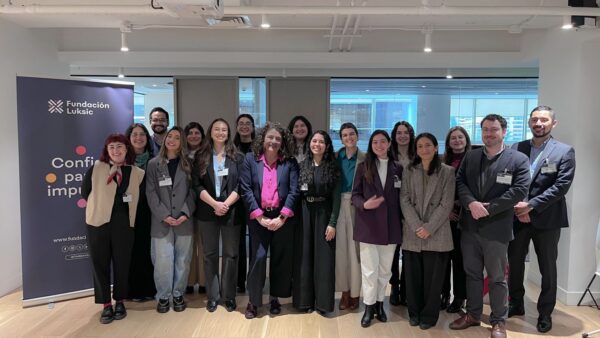
En Fundación Luksic creemos que el desarrollo de Chile se impulsa cuando confiamos en las personas. Por eso les entregamos apoyo directo con soluciones concretas, en las distintas etapas de sus vidas, para responder a necesidades cruciales y emergentes del país.




Quiénes somos
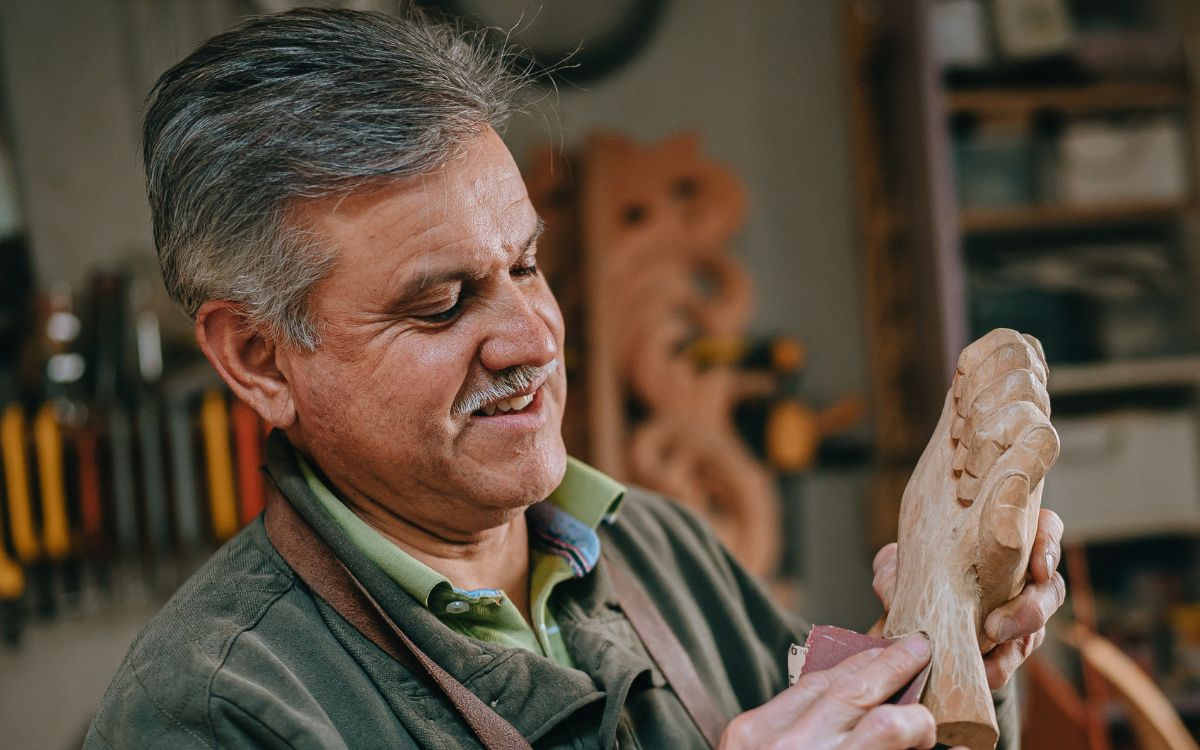
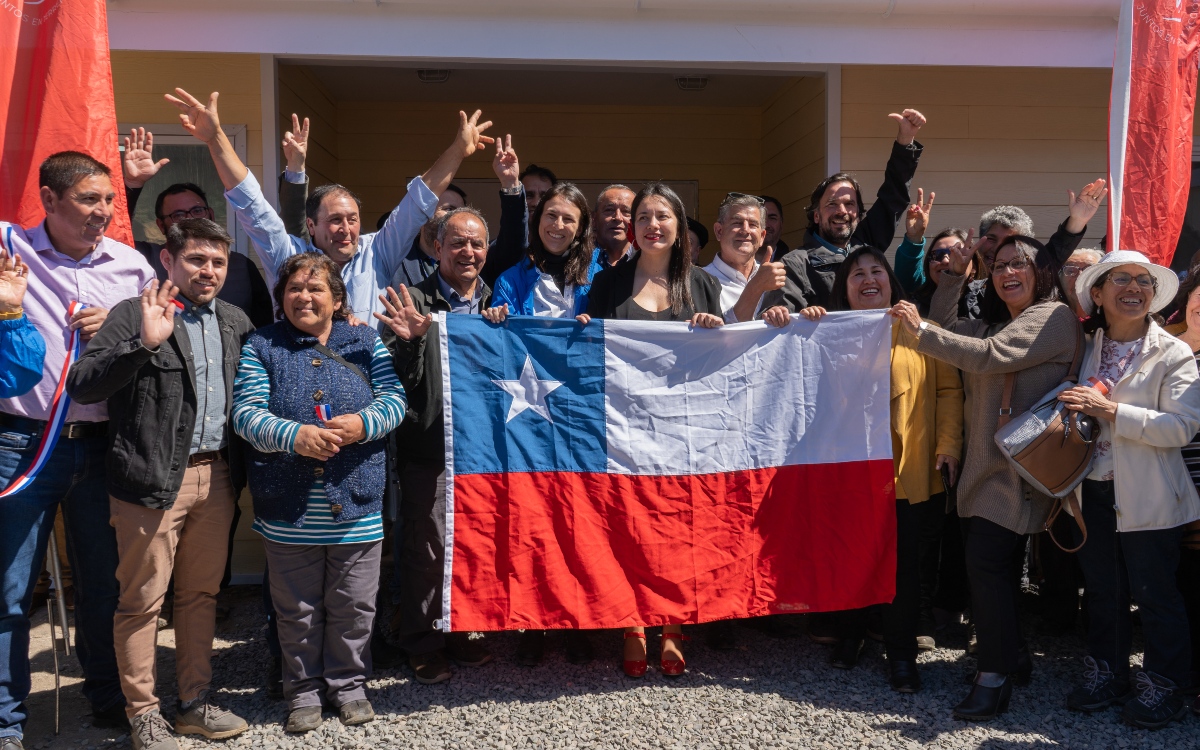
Fundación Luksic es la primera y la más antigua de las fundaciones de la familia Luksic. Nuestra historia comenzó con el trabajo social realizado en la década del 60 por Andrónico Luksic Abaroa. La Fundación agrupa los aportes que realiza la familia Luksic en diferentes ámbitos con un común denominador: colaborar con Chile y las personas que viven en el país.

Testimonios
![Vicente Palacios]()
«Recibir la información (para ingresar a la educación superior) fue una gran ayuda, especialmente para conocer las fechas y las diferentes etapas del proceso que había que pasar».
Vicente PalaciosAlumno IV Medio
Liceo Técnico Profesional Colegio Cardenal Carlos Oviedo (RM)
Programa Aspiraciones![Paulina Salinas]()
«La Escuela no sólo se enfoca en el deporte sino también apoya el compromiso de los padres, ir aprendiendo y mejorar. Este tipo de herramientas nos permite ser más empáticos y oportunos a la hora de darles una responsabilidad».
Paulina SalinasApoderada Escuela Deportiva
La Pintana, Región Metropolitana![Karen Guerra]()
«Cuando me enteré que había sido seleccionada, fue muy emocionante. Con la ayuda que recibí, adquirí una máquina de coser industrial, lo que me permitió aumentar mi producción en un 50% y dar un salto en ventas».
Karen GuerraGanadora de Impulso Inicial
Chépica, Región de O'Higgins![Roxana Guzmán]()
«El apoyo me permitió equipar mi cocina con mesones de acero inoxidable, lavafondos, mesas y sillas para mi restaurante. Antes trabajaba con muebles deteriorados de mi casa, por lo que este cambio fue muy significativo. Hoy trabajo más cómoda, atiendo a más clientes y ha sido un gran impulso laboral y personal».
Roxana GuzmánGanadora de Impulso Mujer
Vallenar, Región de Atacama![Emerson Basoalto]()
«Marca una tremenda diferencia contar con un experto que te acompañe en tu negocio y que te permita identificar cómo mejorar. Hemos crecido tanto este último tiempo que tenemos una estructura de 50 colaboradores impactando positivamente tanto en sus vidas como en sus familias, algo que nos llena de responsabilidad, pero sobre todo de orgullo».
Emerson BasoaltoGanador de Impulso Chileno
Colbún, Región del Maule![Carolina Rebolledo]()
«Cuando gané el Despega Mujer fue maravilloso porque era lo que mi emprendimiento necesitaba para poder despegar. Me permitió comprar maquinaria profesional y también materia prima que no encuentro en la región».
Carolina RebolledoGanadora de Despega Mujer
Coyhaique, Región de Aysén![Daniela Nuñez]()
«Vuelvo al mundo laboral fortalecida, con un pensamiento crítico más afinado, con mayor claridad sobre el contexto global de la salud y su relación con los desafíos socioeconómicos y políticos, y con más ganas que nunca de contribuir a cambios concretos».
Daniela NuñezLuksic Scholars
Magíster en Políticas Públicas, Sciences Po![Loreto Cox]()
«Me costaría pensar en mi vida sin haber vivido esta experiencia».
Loreto CoxLuksic Scholars
MIT Political Science Luksic Fellowship![John E. Fernandez]()
«Creo que después de este curso, los Luksic Scholars tendrán la capacidad de tomar lo que han aprendido y aplicarlo en su empresa o cualquier tipo de organización en las que estén involucrados y por tanto, tener un efecto inmediato».
John E. FernandezLuksic Scholars
Académico MIT![Ornella Ferrufino]()
«Quiero expresar lo feliz que me siento de estar estudiando algo que realmente me apasiona (técnico en minería). Estoy profundamente agradecida por la oportunidad de ser parte de la Beca Luksic Más Mujeres en STEM, ya que ha sido una gran motivación para seguir adelante».
Ornella FerrufinoEstudiante de Técnico en Minería
Beca Luksic: Más Mujeres en STEM![Alejandra Mora]()
«Ser mi propia jefa me ha permitido manejar mis tiempos y trabajar con un sentido más personal, sabiendo que cada logro es para mí y mi familia. Mi hijo mayor se tituló de medicina y es una alegría muy grande saber que fue mi emprendimiento lo que nos hizo salir adelante».
Alejandra MoraGanadora Impulso Inicial
Chillán, Región de Ñuble![Ulises Rojas]()
«La Fundación vio en mí un futuro. Apoyar a emprendedores de la tercera edad es algo muy valioso. Nos permite seguir contribuyendo, seguir creando, y eso le da un valor nuevo a la experiencia».
Ulises RojasGanador Impulso Senior
Quilicura, Región Metropolitana![Berta Urrutia]()
«La vida tiene diferentes etapas y que exista un apoyo para todas ellas, hoy, como emprendedora de la tercera edad marca una diferencia absoluta».
Berta UrrutiaGanadora Impulso Senior
Villa Alegre, Región del Maule![Martina Cádiz]()
«Esta experiencia me ha permitido comprender los dilemas éticos y el impacto social de la inteligencia artificial desde múltiples perspectivas».
Martina CádizLuksic Scholar
Magíster en Ética de los Datos y la Inteligencia Artificial, U. de Edimburgo![Álex Sepúlveda]()
«El proceso de acompañamiento ha sido súper bueno. Probablemente si no hubiera tenido ayuda, nunca hubiera considerado estudiar o postular a la gratuidad».
Álex SepúlvedaAlumno IV medio
Liceo Comercial Gabriel González Videla (RM)
Programa Aspiraciones![Sebastián Barrientos]()
«Tuve muchas dudas, pero gracias a las mentorías supe que era mi momento y tenía que avanzar con ese proceso».
Sebastián BarrientosAlumno IV medio
Liceo Comercial Gabriel González Videla (RM)
Programa Aspiraciones![Charlotte Sifontes]()
“La información que nos entregan es muy valiosa, sobre todo en esta etapa, cuando necesitamos informarnos bien para tomar buenas decisiones».
Charlotte SifontesAlumna IV medio
Colegio Patricio Mekis (RM)
Programa Aspiraciones![Grisis Pino]()
“Para mí, estudiar una carrera STEM es abrirle camino a mi hija, para que vea que su mamá también puede resolver problemas, planear y tomar decisiones».
Grisis PinoEstudiante de Técnico en Administración Logística
Beca Luksic: Más Mujeres en STEM







«Recibir la información (para ingresar a la educación superior) fue una gran ayuda, especialmente para conocer las fechas y las diferentes etapas del proceso que había que pasar».
Vicente PalaciosAlumno IV Medio
Liceo Técnico Profesional Colegio Cardenal Carlos Oviedo (RM)
Programa Aspiraciones«La Escuela no sólo se enfoca en el deporte sino también apoya el compromiso de los padres, ir aprendiendo y mejorar. Este tipo de herramientas nos permite ser más empáticos y oportunos a la hora de darles una responsabilidad».
Paulina SalinasApoderada Escuela Deportiva
La Pintana, Región Metropolitana«Cuando me enteré que había sido seleccionada, fue muy emocionante. Con la ayuda que recibí, adquirí una máquina de coser industrial, lo que me permitió aumentar mi producción en un 50% y dar un salto en ventas».
Karen GuerraGanadora de Impulso Inicial
Chépica, Región de O'Higgins«El apoyo me permitió equipar mi cocina con mesones de acero inoxidable, lavafondos, mesas y sillas para mi restaurante. Antes trabajaba con muebles deteriorados de mi casa, por lo que este cambio fue muy significativo. Hoy trabajo más cómoda, atiendo a más clientes y ha sido un gran impulso laboral y personal».
Roxana GuzmánGanadora de Impulso Mujer
Vallenar, Región de Atacama«Marca una tremenda diferencia contar con un experto que te acompañe en tu negocio y que te permita identificar cómo mejorar. Hemos crecido tanto este último tiempo que tenemos una estructura de 50 colaboradores impactando positivamente tanto en sus vidas como en sus familias, algo que nos llena de responsabilidad, pero sobre todo de orgullo».
Emerson BasoaltoGanador de Impulso Chileno
Colbún, Región del Maule«Cuando gané el Despega Mujer fue maravilloso porque era lo que mi emprendimiento necesitaba para poder despegar. Me permitió comprar maquinaria profesional y también materia prima que no encuentro en la región».
Carolina RebolledoGanadora de Despega Mujer
Coyhaique, Región de Aysén«Vuelvo al mundo laboral fortalecida, con un pensamiento crítico más afinado, con mayor claridad sobre el contexto global de la salud y su relación con los desafíos socioeconómicos y políticos, y con más ganas que nunca de contribuir a cambios concretos».
Daniela NuñezLuksic Scholars
Magíster en Políticas Públicas, Sciences Po«Me costaría pensar en mi vida sin haber vivido esta experiencia».
Loreto CoxLuksic Scholars
MIT Political Science Luksic Fellowship«Creo que después de este curso, los Luksic Scholars tendrán la capacidad de tomar lo que han aprendido y aplicarlo en su empresa o cualquier tipo de organización en las que estén involucrados y por tanto, tener un efecto inmediato».
John E. FernandezLuksic Scholars
Académico MIT«Quiero expresar lo feliz que me siento de estar estudiando algo que realmente me apasiona (técnico en minería). Estoy profundamente agradecida por la oportunidad de ser parte de la Beca Luksic Más Mujeres en STEM, ya que ha sido una gran motivación para seguir adelante».
Ornella FerrufinoEstudiante de Técnico en Minería
Beca Luksic: Más Mujeres en STEM«Ser mi propia jefa me ha permitido manejar mis tiempos y trabajar con un sentido más personal, sabiendo que cada logro es para mí y mi familia. Mi hijo mayor se tituló de medicina y es una alegría muy grande saber que fue mi emprendimiento lo que nos hizo salir adelante».
Alejandra MoraGanadora Impulso Inicial
Chillán, Región de Ñuble«La Fundación vio en mí un futuro. Apoyar a emprendedores de la tercera edad es algo muy valioso. Nos permite seguir contribuyendo, seguir creando, y eso le da un valor nuevo a la experiencia».
Ulises RojasGanador Impulso Senior
Quilicura, Región Metropolitana«La vida tiene diferentes etapas y que exista un apoyo para todas ellas, hoy, como emprendedora de la tercera edad marca una diferencia absoluta».
Berta UrrutiaGanadora Impulso Senior
Villa Alegre, Región del Maule«Esta experiencia me ha permitido comprender los dilemas éticos y el impacto social de la inteligencia artificial desde múltiples perspectivas».
Martina CádizLuksic Scholar
Magíster en Ética de los Datos y la Inteligencia Artificial, U. de Edimburgo«El proceso de acompañamiento ha sido súper bueno. Probablemente si no hubiera tenido ayuda, nunca hubiera considerado estudiar o postular a la gratuidad».
Álex SepúlvedaAlumno IV medio
Liceo Comercial Gabriel González Videla (RM)
Programa Aspiraciones«Tuve muchas dudas, pero gracias a las mentorías supe que era mi momento y tenía que avanzar con ese proceso».
Sebastián BarrientosAlumno IV medio
Liceo Comercial Gabriel González Videla (RM)
Programa Aspiraciones“La información que nos entregan es muy valiosa, sobre todo en esta etapa, cuando necesitamos informarnos bien para tomar buenas decisiones».
Charlotte SifontesAlumna IV medio
Colegio Patricio Mekis (RM)
Programa Aspiraciones“Para mí, estudiar una carrera STEM es abrirle camino a mi hija, para que vea que su mamá también puede resolver problemas, planear y tomar decisiones».
Grisis PinoEstudiante de Técnico en Administración Logística
Beca Luksic: Más Mujeres en STEM