180 professionals from social organizations participate in training on implementing and scaling social programs
- Fundación Luksic and the Centre for Evidence and Implementation strengthened the capacities of social organizations in Chile to develop evidence-based programs and increase their impact. Through in-person workshops in Antofagasta, Santiago and Puerto Montt, professionals from 90 public institutions and foundations, including Hogar de Cristo, Elige Educar and Corporación Simón de Cirene, gained practical tools to implement and scale their interventions.
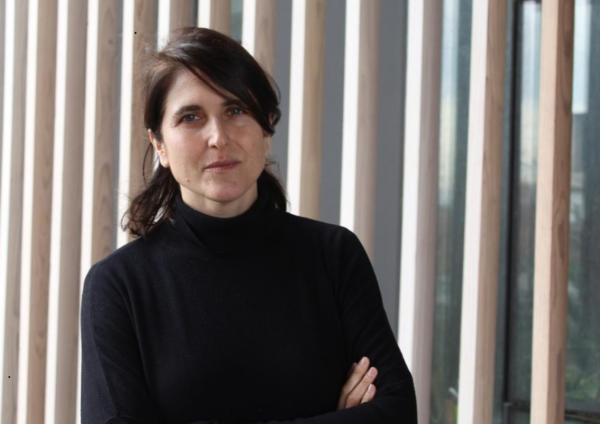
Researchers Robyn Mildon and Vanessa Rose from Australia’s Centre for Evidence and Implementation (CEI) came to Chile to share their international experience and strengthen the skills of professionals involved in the development of social programs. Together with Fundación Luksic, they led in-person workshops in Antofagasta, Santiago and Puerto Montt, reaching more than 180 professionals.
Australia’s Centre for Evidence and Implementation is a global organization specializing in the design, development and effective implementation of evidence-based social services and programs. CEI has established international leadership and extensive experience providing technical assistance, strategic consulting and specialized training programs for government agencies and organizations in the social sector.
The workshops included practical activities, group exercises and guided discussions, such as identifying the main barriers and enablers faced by social initiatives and exploring how to optimize interventions so they can be effectively implemented and scaled. The sessions brought together participants from 90 public institutions and foundations, including the Public Education Directorate (DEP), TECHO-Chile, Elige Educar and Fundación Kodea.
“An intervention can generate a significant impact, but for that to happen, we need to know how to implement it, evaluate it and scale it to reach more people. Through this course, we sought to provide concrete tools to those behind many of the social programs being developed in Chile, so they can strengthen their work and reach those who need it most,” said Fernanda Orellana, Head of Training at Fundación Luksic.
In Antofagasta, in addition to leading a workshop attended by 54 people from 27 different organizations, the Australian researchers and representatives from Fundación Luksic visited Fundación Recrea’s Family Center in La Chimba, Antofagasta, where they learned more about its work and the region’s socioeconomic challenges.
Alejandra Stevenson, Executive Director of Fundación Recrea, explained that when working with people living in poverty, “there is no time to waste.” She highlighted that “looking more critically at how and with what level of quality interventions are implemented allows us to make adjustments and change strategies in time, rather than waiting until the end to find out whether they worked.”
In the Santiago Metropolitan Region, 63 people from 31 organizations took part, and the Public Education Directorate (DEP) also had the opportunity to participate in the course. “Evaluations allow us to understand whether resources are being used effectively, whether we are achieving the expected results and what we can improve. The course gave us tools to strengthen our monitoring, identify implementation barriers and define concrete strategies to address them, as well as elements that can help us scale our programs,” said María Paz Medeiros, Director of Programs for the Teaching Career at Elige Educar.
In Puerto Montt, 60 people from 31 different organizations took part in the workshop.
Sebastián Zunino, Monitoring and Follow-up Officer at NGO Canales, said that when a program achieves its expected results, the impact on its beneficiaries is significant, as it makes it possible to improve interventions.
He explained that the workshop allowed them to identify the barriers they face and, based on these, develop actions to overcome them. “We now have greater clarity on how to strengthen the implementation of our programs over the coming months and, in addition, how to communicate the changes and lessons learned to key stakeholders,” he said.
Meanwhile, Frank Oyarzún, Head of Planning and Management for Social Development in Southern Chile at Desafío Levantemos Chile, said that evaluations are crucial for identifying what needs to be corrected and making the necessary adjustments so that each project can improve and remain sustainable over time. He explained that they will be able to put the tools from the course into practice and further strengthen their evaluation processes and project implementation.