Entrepreneurs Aged 55 and Older: Seven out of Ten Are Women, and Most Keep Their Businesses Running for More Than Three Years
The newspaper La Tercera highlighted a report by the Luksic Foundation on senior microentrepreneurs in Chile, which shows that accumulated experience increases business survival rates, although digital divides and limited income persist
Entrepreneurship in later life has become a key trend in the Chilean economy, driven both by the need to supplement income and by the desire to maintain personal autonomy. This is one of the conclusions drawn from a recent report prepared by the Luksic Foundation, which examines the circumstances of more than 9,200 microentrepreneurs aged 55 and older. The individuals in the study represent a cross-section of the 56,667 users over the age of 18 registered with La Brújula del Emprendedor, the foundation’s free digital platform that provides guidance and training to small businesses throughout the country.
The report provides an in-depth analysis of the strengths and barriers of a segment that accounts for 16.2% of all users of this tool. The study evaluated key variables such as age, gender, age of production facilities, technology adoption, industry sector, and average monthly sales range.
This analysis takes on special significance in light of the demographic shift the country is undergoing: according to the “Chile Plateado” report, prepared by the Center for Knowledge and Research on Older Adults (CIPEM), there are currently 6.5 million people aged 50 or older in Chile (31% of the population), a group that by the year 2050 will account for 46.3% of the total population.
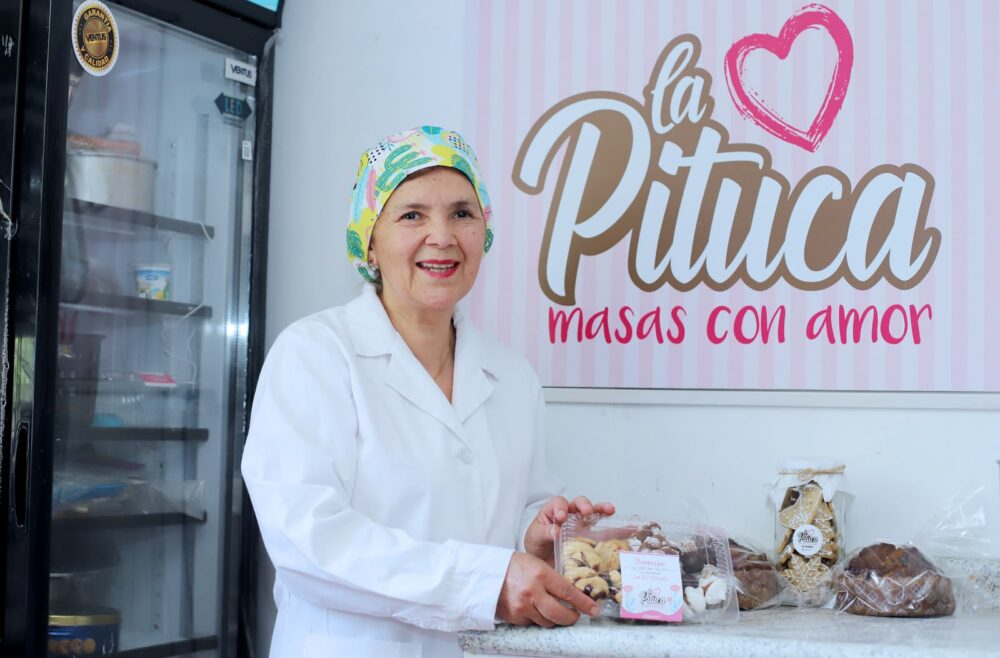
One of the most significant findings of the study is the high proportion of women: 69% of microentrepreneurs aged 55 or older are women, compared to 31% who are men. The report highlights that for many of these women, senior entrepreneurship serves as a vital pillar of economic independence at a stage in life when opportunities to re-enter the formal workforce are limited and pensions are insufficient to cover household expenses.
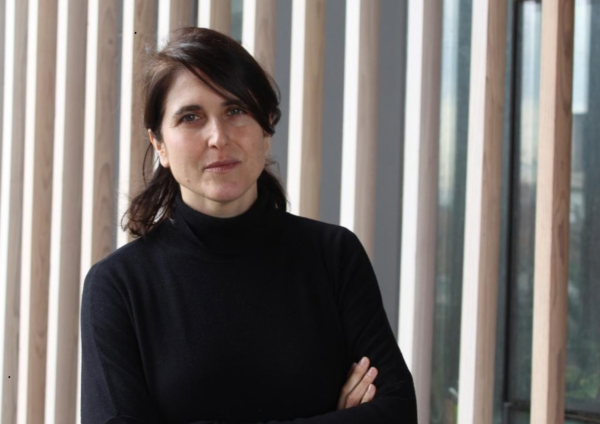
Track record and operational resilience emerge as the key competitive attributes of older entrepreneurs. While only 37% of entrepreneurs under 55 manage to keep their businesses running for more than three years, that proportion rises to 58% in the older age group. This 21-percentage-point difference demonstrates greater business stability, underpinned by life experience and risk management skills acquired over the years. “This shows us that the experience they have accumulated over the years is a strength when it comes to getting their businesses off the ground and sustaining them,” says Cristián Schalper, Social Programs Manager at the Luksic Foundation,
In terms of age distribution, 78% of the senior segment is concentrated in the 55- to 64-year-old age group (49% between ages 55 and 59, and 29% between ages 60 and 64). However, economic activity extends into later stages of life: 13% are between the ages of 65 and 69, 6% between 70 and 74, and 3% are over 75, with active participants as old as 93.
The report also identifies a gap in technology adoption. Sixty-eight percent of older entrepreneurs say they use social media to promote their business, compared to 81% of those under 55 (a gap of 13 percentage points). Among the tools chosen by older entrepreneurs, Instagram leads with a 61% preference, followed by Facebook (36.8%) and TikTok (2%). Meanwhile, e-commerce adoption stands at 19% among older entrepreneurs, compared to 26% among younger ones.
With regard to the economic structure, senior entrepreneurship is concentrated in traditional sectors: Food (22%) and Retail (22%) top the list, followed by Services (14%), Artisanal Manufacturing (11%), and Textile Production (8%), while technology barely reaches 1%. Financially speaking, these are micro-scale businesses: 38% report average monthly sales of up to $500,000, and the areas of greatest interest for training are business strategy and sales.
In light of this situation, Schalper concludes by emphasizing the challenge facing the country: “Chile is aging, and that presents us with the challenge of creating more opportunities for older adults to continue developing their skills. It is essential that they have concrete tools to make their businesses sustainable, increase their sales, and capitalize on their accumulated experience.”