What drives teachers? Three educators share their stories
On Teachers’ Day, Mario González, Franco Cabezas and Gisela Ojeda share what inspires them to teach and how they have incorporated new tools to connect with their students and strengthen their learning.
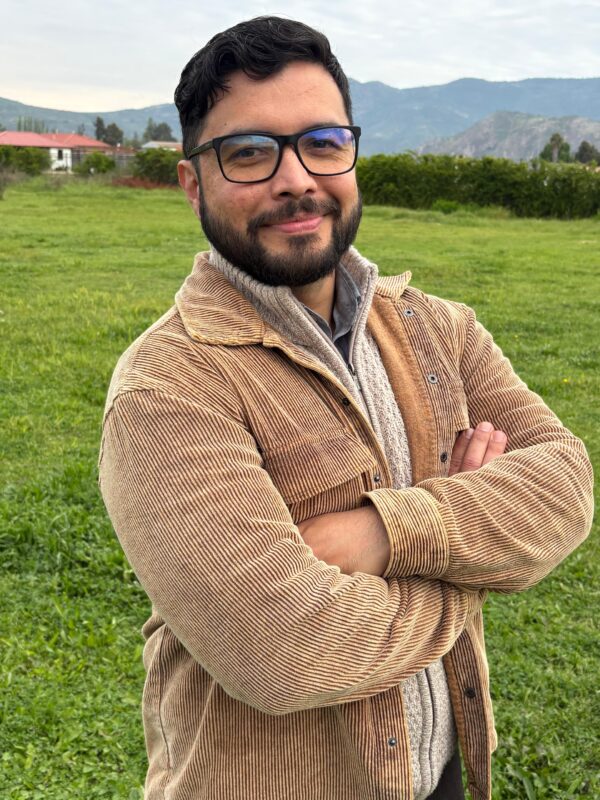
“They’re brilliant,” says Mario González, 39, when he talks about his students. The Mathematics teacher works with around 170 young people. He joined Liceo Técnico Clotario Blest Riffo, a technical-vocational high school in the municipality of Pedro Aguirre Cerda, in the Santiago Metropolitan Region, six years ago. He says his daily challenge is to “take the motivation they come with—which isn’t always high—and multiply it.”
For him, part of that work involves making mathematics feel relevant to his students’ lives. How does he do it? By using problems they can relate to, such as calculating the cost of taking the bus, and activities that allow them to discuss, propose solutions and learn from one another.
“What gets me up every morning is the kids. They’re brilliant, but their circumstances often point them in other directions. That’s why it’s even more important for them to enjoy learning,” he says.
That conviction also led him to rethink his own teaching methods. Through his participation in Fundación Luksic’s Educational Networks for Learning Improvement (REMA), he was able to incorporate new tools to plan his lessons and encourage interaction among his students. The program aims to strengthen first- and second-year high school students’ learning in Language and Mathematics at technical-vocational schools by working with teachers to improve classroom interactions and their own well-being.
One of the things he learned was to pay attention not only to what happens during an activity, but also to how students arrive in the classroom. Asking them how they felt, what they found difficult and whether anything had prevented them from learning became a way to better understand what they were going through and make his classes more effective.
Learning from one another
The opportunity to reflect on their own teaching practices and discuss them with other educators is one of REMA’s key components. The program includes classroom observation and feedback, training in classroom interactions, and collaborative work sessions where teaching teams can test strategies, analyze their results and identify opportunities for improvement. The training is delivered with the participation of the Center for Educational Transformation at the Pontifical Catholic University of Chile (CENTRE UC).
For Mario, meetings where teachers could review recordings of their colleagues’ classes offered an opportunity to share experiences, develop strategies together and find support. Today, he says, high teacher turnover and the lack of dedicated time for meetings have made it more difficult to maintain these spaces, which he considers important both for teaching and for teachers’ well-being.
He adds that one of his most important takeaways was understanding that improving a lesson also requires experimentation. “Innovation only comes through trial and error,” he says.
Believing in what students can achieve
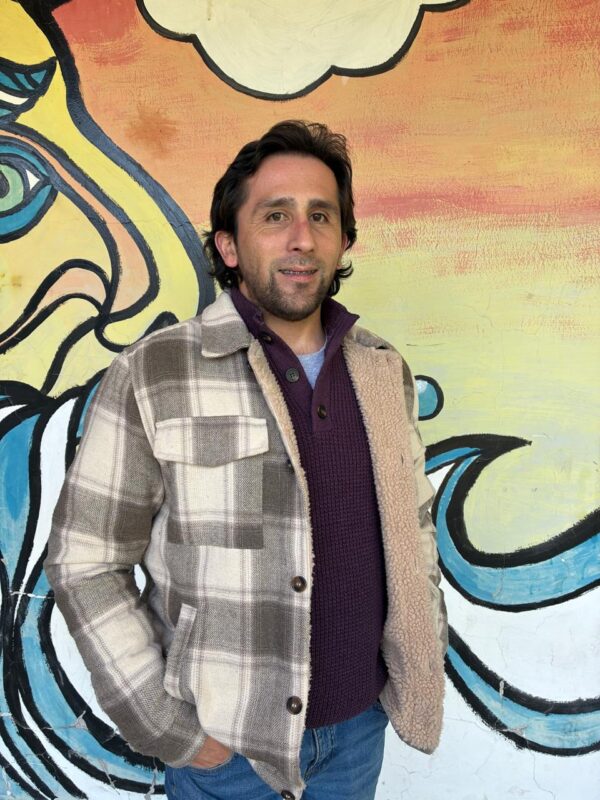
At Liceo Eduardo Charme, a technical-vocational high school in San Fernando, in the O’Higgins Region, 35-year-old Mathematics teacher Franco Cabezas, who also took part in REMA, faces a daily challenge: helping students recognize their own abilities, especially when they doubt what they can achieve. He is one of more than 400 teachers who have participated in the program since it began in 2021.
“I still get up every morning believing that my students can achieve more. They often don’t believe in themselves, but I know what they’re capable of because they’ve shown me,” he says.
Like Mario, Franco believes that getting to know his students is part of the teaching process. Talking to them about how they are feeling when they arrive in class, whether something is worrying them or whether they are going through a difficult situation can make a difference in their learning.
At his school, some of the practices he learned through REMA remain in place, including peer classroom observations and feedback sessions.
“What REMA makes possible is collaborative work among teachers through these meetings,” he explains. For him, observing another teacher’s class and discussing what happened afterward opens the door to professional conversations that can extend well beyond the observation itself. This exchange, he says, helps teachers share tools and strategies.
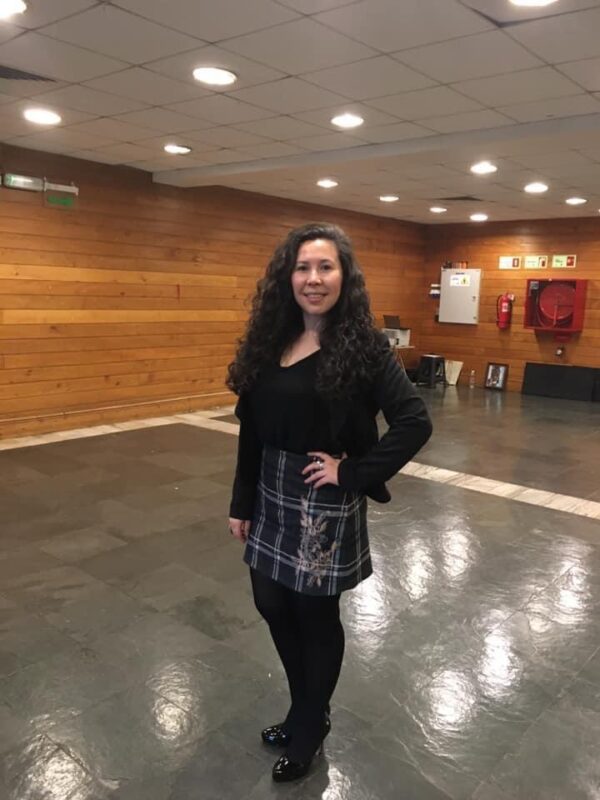
For Gisela Ojeda, 42, a Language teacher at Instituto Comercial Osorno, in the Los Lagos Region, the motivation to step into the classroom every morning is rooted in her sense of vocation. She has been teaching since 2010 and joined the school in 2022, where she works with around 150 young people. She also participated in REMA, an experience that allowed her to exchange ideas with other teachers and acquire new tools for her classroom practice.
“I have a responsibility to my students and their families, who have placed a dream in our hands. Going to work every morning means planting a seed, creating change, even simply listening to them and giving them that little push that I once received at the very same school where I now teach,” she says.
Her story brings us back to an idea that runs through all three teachers’ experiences: how important it is for students to find someone in their teachers who believes in them, even when they have yet to recognize their own potential.
Educational Networks for Learning Improvement (REMA) is a Fundación Luksic program that has worked with more than 400 teachers nationwide. It promotes better classroom interactions and teacher well-being to strengthen learning in Language and Mathematics among first- and second-year high school students at technical-vocational schools.